A Smart Guide for the Ingredient-Savvy Skincare Shopper
Choosing oil-free skincare often feels like the obvious move if you have oily, combination, or breakout-prone skin. These formulas are typically designed to reduce shine, absorb quickly, and create a smooth, matte base for makeup—without that heavy, filmy feel many of us learned to avoid years ago.
Oil-free products rely on water-based hydrators like hyaluronic acid to deliver moisture while helping skin feel balanced, comfortable, and clear. For many women focused on healthy aging, this approach can support smoother texture and fewer congestion concerns—without sacrificing hydration.
Sounds simple enough.
But like many beauty terms we grew up trusting, “oil-free” isn’t quite that straightforward.
Let’s break it down—practically, clearly, and without the hype.
First Things First: What Is an Oil?
Ingredients on personal care products are listed using the International Nomenclature of Cosmetic Ingredients (INCI)—a standardized system established in the early 1970s by the Personal Care Products Council (PCPC). INCI naming ensures consistency and clarity across global markets, including the U.S., EU, China, and Japan, helping consumers cut through marketing language
When something is universally recognized as an oil, it usually includes the word “oil” right in the name.

For example, Avon’s Skin So Soft Calming Lavender Bath & Body Oil is exactly what it says—an oil—featuring ingredients such as:
- Cocos Nucifera Oil (coconut oil)
- Rosa Canina Seed Oil
- Helianthus Annuus Seed Oil (sunflower oil)
- Chamomilla Recutita Flower Oil (chamomile oil)
- Lavandula Angustifolia Oil (lavender oil)
Clear, familiar, and easy to identify. So far, so good.
But here’s where it gets interesting:
- There’s no single rule defining what qualifies as an oil—or what must be excluded. That means “oil-free” can vary from formula to formula.
- Some may remove all traditional oils.
- Others exclude only specific types, like mineral oil.
That’s why ingredient lists—and not just front-label claims—matter.
Here Are Avon’s Oil-Free Skincare Options

Moisturizers

Anew Platinum Day Cream Broad Spectrum SPF 25
• Allergy-tested, dermatologist-tested, hypoallergenic, non-comedogenic
Formulated without:
Oil • Phthalates • Parabens • Sulfates • Petroleum

Anew Hydra Fusion Gel Cream
A water-light gel that absorbs instantly, leaving skin smooth, refreshed, and plumped with hydration
Formulated without:
Oil • Alcohol • Phthalates • Parabens • Sulfates • Petroleum

Beyond Glow Centella Soothing Cream
• Suitable for sensitive skin
• Helps reduce the look of redness caused by dryness
• Features titrated extract of centella asiatica (TECA)
• Hypoallergenic and non-comedogenic
Formulated without:
Fragrance
Eye Care

Anew Hydra Fusion De-Puffing Eye Serum
• Designed for delicate, sensitive eye areas
• Hypoallergenic, dermatologist- and allergy-tested
Formulated without:
Oil • Fragrance • Sulfates • Phthalates • Petroleum
Cleanser / Treatment

Isa Knox Anew Clinical Revitalize & Reveal Extra Strength Retexturizing Peel
• Dermatologist-tested, allergy-tested, non-comedogenic
Formulated without:
Oil • Fragrance • Phthalates • Parabens • Sulfates • Petroleum
Why Squalane Confuses Everyone
You may see squalane in products labeled both oil-free and not oil-free.
Technically, squalane doesn’t include “oil” in its INCI name—but functionally, it behaves like one. Derived from plant sources such as sugarcane or olives, squalane is lightweight, fast-absorbing, and well-tolerated by nearly all skin types—including oily and sensitive skin.
It helps soften, smooth, and seal in hydration without greasiness and is valued for its barrier-supporting and calming properties.
This is modern skincare chemistry doing what it does best: delivering results without the heavy feel many of us avoid.

Moisturizers Featuring Squalane

Isa Knox Anew Clinical Collagen Booster Firming Cream
A lightweight cream formulated with skin-plumping niacinamide and squalane.

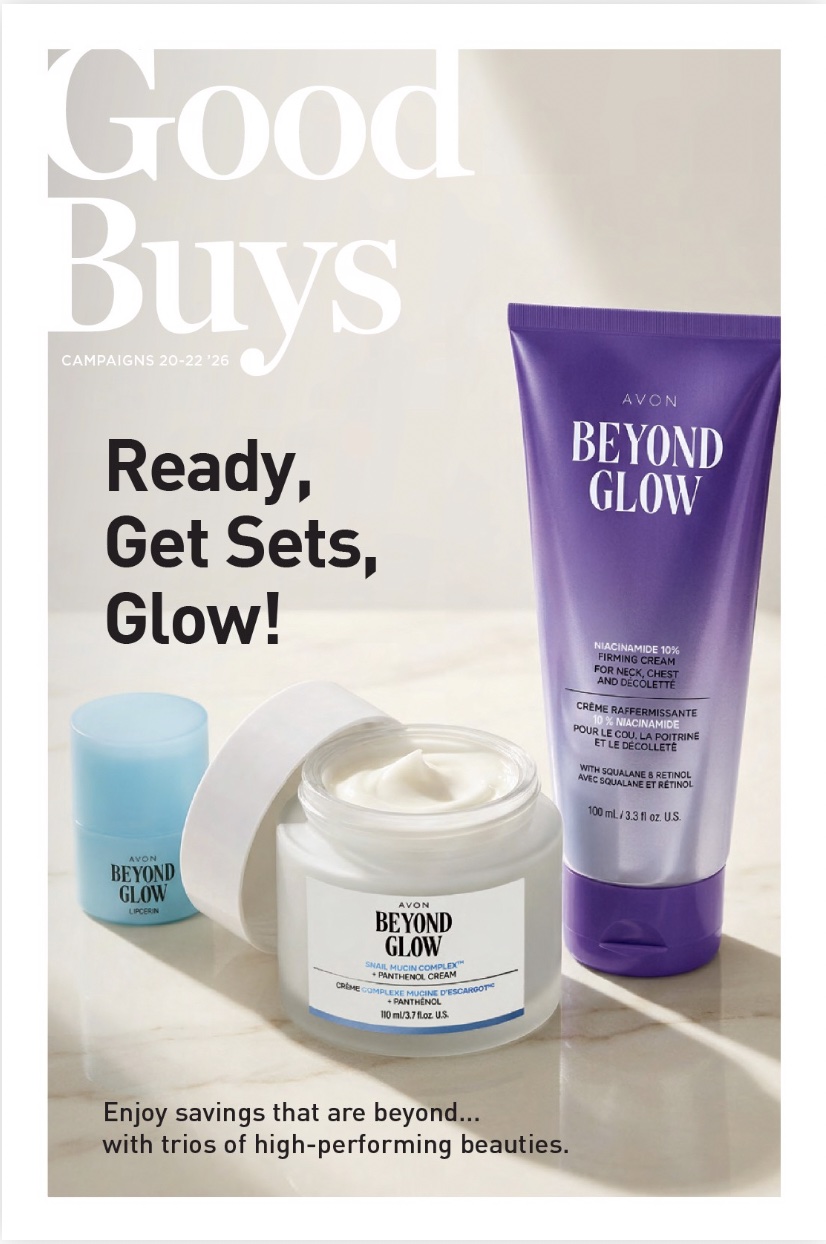
Beyond Glow Niacinamide 10% Neck Firming Cream
Hydrating neck and chest cream featuring niacinamide, shea butter, olive-derived squalane, and panthenol to support the skin barrier.
What May Matter More Than the Label

If you’re trying to avoid oils entirely, here’s the bigger picture:
Many ingredients act like oils—even if they’re not labeled as such. Think:
- Fatty alcohols
- Esters
- Triglycerides (like caprylic/capric triglyceride)
These are commonly used in oil-free formulas to help skin feel comfortable, flexible, and hydrated—without added shine.
The irony? Many of these ingredients are lightweight, non-comedogenic, and ideal for healthy-aging skin that wants balance—not extremes.
Instead of focusing only on whether a product says oil-free, ask the more practical question:
How does my skin feel when I use it?
Healthy-aging skin often needs:
- Hydration without heaviness
- Comfort without congestion
- Ingredients that work with skin—not against it
Sometimes that comes from oils. Sometimes from oil-like alternatives. The label alone never tells the full story.
Ready to Make Smarter Skincare Choices?

If skincare feels confusing—or you’re tired of trial and error—you’re not alone. Take my 1-Minute SKIN ADVISOR QUIZ and let’s get your routine that truly works for you.
Warm regards,
Nancy, Avon Lady NJ
P.S. Don’t forget to use your broad-spectrum sunscreen—every single day! ☀️











Leave a Reply